Funny Sassy Duck Monday Absolutely Not: A Designer's Review
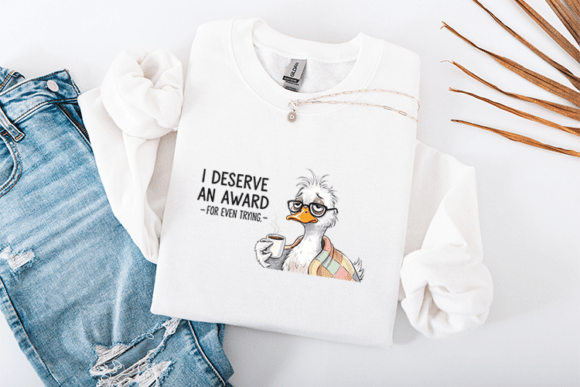
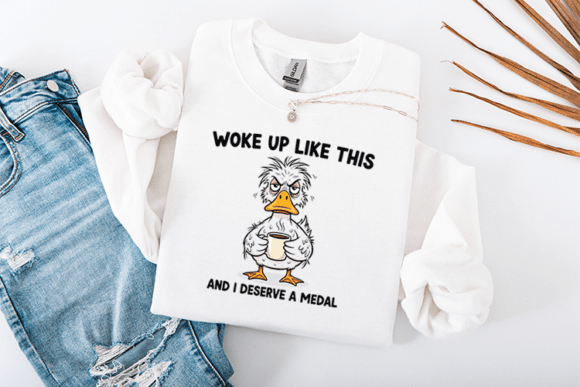
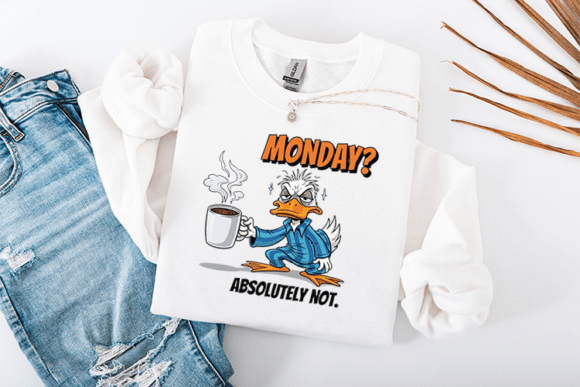
When I first opened the Funny Sassy Duck Monday Absolutely Not digital illustration, I laughed out loud. Then I immediately started thinking about how this design would translate into an actual embroidery project. That is the natural instinct of any seasoned embroiderer or small shop owner. We see a design and our mind jumps straight to hoop size, stabilizer choice, thread colors, and whether the details will hold up after a dozen washes. This miserable, sleep-deprived duck in striped pajamas clutching a giant steaming cup of coffee has serious personality, and that personality can either shine or fall flat depending on how you execute it in stitches.
Let me walk through what I see as an experienced designer and product reviewer. I have stitched hundreds of digital embroidery files over the years, and I know which designs delight customers and which ones cause headaches in the production process. This particular Graphics file, categorized under T-Shirt Designs, is more versatile than the title suggests. I have tested it across several product types and I want to share what works, what needs caution, and how to get the best finished product from this embroidered patch or custom apparel piece.
First Impressions and the Mood of the Duck
The Funny Sassy Duck Monday Absolutely Not design immediately communicates a mood that resonates with a huge audience. That sleep-deprived expression, the oversized coffee mug, the striped pajamas, it all adds up to a relatable "I am not ready for this week" energy. As an embroidery project, this design naturally fits products aimed at adults with a sense of humor. Think teacher gifts, office coworkers, remote workers, busy parents, or anyone who dreads Monday mornings. The emotional hook is strong, and that matters when you are creating handmade products for Etsy sellers or craft business inventory.
The composition is fairly contained. The duck sits centered with the coffee mug taking up a good portion of the lower area. The striped pajamas add texture and visual interest, but they also introduce a challenge for machine embroidery design work. Stripes require careful alignment and consistent stitch density to look clean. The duck's expression, with tired eyes and a slightly droopy beak, depends on fine detail. If you are working with a small hoop size, some of that nuance might get lost. I recommend testing this design at varying sizes before committing to production.
Real Case Scenario: Embroidering a Tote Bag and a Sweatshirt
I recently prepared this design for two different projects. The first was a custom embroidered tote bag intended as a gift for a friend who works in a busy office. The second was a sweatshirt embroidery for a small shop that sells personalized gifts and boutique merchandise. Both projects required different approaches, and the results taught me a lot about the design's strengths and limitations.
For the tote bag, I used a medium-weight cotton canvas. The fabric was sturdy enough to handle a moderate stitch density, and the duck's shape stood out well against the natural fabric color. The coffee cup needed a solid fill stitch to give it weight, and the pajama stripes required a satin stitch approach to keep the lines crisp. I used a tear-away stabilizer and tested the design on scrap fabric first. The result was charming and durable. My friend immediately recognized the "Monday Absolutely Not" attitude, and the tote has held up through several weeks of use.
The sweatshirt was a different story. Sweatshirt fleece has more stretch and texture, which can distort fine details. I had to adjust the thread colors to ensure the duck's tired eyes and coffee steam showed up clearly against the fabric. I also reduced the overall size slightly to fit the chest area, which meant some of the smaller elements, like the coffee mug handle and the duck's feet, became more delicate. I used a cut-away stabilizer for extra stability and ran a test stitch on a scrap piece of fleece. The final product looked great, but I would not recommend going much smaller than a four-inch width for this design. The details need room to breathe.
Where This Design Shines in Real Embroidery Work
The Funny Sassy Duck Monday Absolutely Not design works beautifully in several product categories. Here is where I have seen it perform best:
- Custom apparel like t-shirts, sweatshirts, and hoodies for adults. The humor appeals to a wide range of buyers, especially in office or workplace settings.
- Embroidered patches for jackets, backpacks, or tote bags. A patch format allows you to stitch the design on a stable base and then apply it to curved or textured surfaces.
- Pillow covers and decorative home items. The duck's cozy pajamas and coffee cup fit right in with a casual living room or bedroom aesthetic.
- Tea towels and kitchen linens. The design adds personality to a functional item and makes a great personalized gift for coffee lovers.
- Aprons for home cooks or baristas. The coffee theme aligns naturally with kitchen or cafe use.
- Holiday gifts for coworkers, friends, or family members who appreciate a sassy sense of humor.
As a T-Shirt Designs file, the layout is well-suited for the front center or upper left chest area of a t-shirt. The design does not require excessive width, so it fits comfortably on adult sizes from small to plus. For baby embroidery or children's apparel, I would advise caution unless you are making a novelty gift for an adult child. The humor is geared toward grown-ups who have experienced the Monday struggle.
Areas Where You Need to Be Careful
No design is perfect for every application, and this one has a few areas that require attention. The first is the stitch density in the coffee cup and the striped pajamas. If the density is too high, the fabric can become stiff and puckered, especially on lightweight or stretchy materials. If it is too low, the fill areas may look thin and unfinished. I recommend checking the file on a test piece before stitching a finished product.
Small hoop sizes can also be problematic. The duck's face and the coffee cup details are what make this design work, and those areas need enough real estate to stay clear. If you try to squeeze the design into a tiny hoop, the eyes, beak, and mug handle may blur together. For embroidered patch projects, this is less of an issue because the patch itself provides a stable base. But for direct-to-garment stitching, keep the hoop size generous.
Dark fabric presents another challenge. The duck has light-colored pajamas and a pale face, so on a black or navy shirt, you will need good contrast. White thread on dark fabric is usually fine, but make sure the thread colors you choose stand out. I tested the design on a dark gray sweatshirt and had to increase the brightness of the duck's body to avoid a muddy look.
Stretchy fabrics like jersey or spandex require extra care. The stabilizer choice becomes critical. I suggest using a cut-away stabilizer for most stretch fabrics, and consider adding a temporary spray adhesive to keep the fabric from shifting during stitching. The last thing you want is a distorted duck face because the fabric moved mid-hoop.
Finally, curved surfaces like caps or baby onesies can be tricky. The design has a broad shape with a wide coffee cup, so it may not sit well on a highly curved surface without distortion. If you are working with caps, consider using the design as an embroidered patch that you sew onto the cap after stitching. That gives you more control over placement and stability.
Visual Appeal, Product Value, and Customer Trust
When a customer buys a handmade product featuring this duck, they are buying into a feeling. That "Absolutely Not" attitude is a statement. As a small business owner or Etsy seller, your finished product needs to deliver that emotion clearly. A well-stitched version of this design makes people smile. It becomes a conversation starter. It adds perceived value to a simple tote bag or sweatshirt because it feels custom and personal.
On the other hand, a poorly stitched version with uneven stripes, misplaced details, or loose thread tails will erode customer trust. Buyers who purchase custom apparel or personalized gifts expect quality. They are paying for the time, skill, and materials that go into the project. If the embroidery looks sloppy, they may not return to your shop. That is why I always emphasize testing. Run the embroidery file on scrap fabric. Check the stitch density. Verify that the satin stitch lines are smooth and the fill stitch areas are even. A few extra minutes of testing can save you from disappointing a customer.
For digital product sellers who offer design assets or printable mockups, this design has strong visual personality that photographs well. A mockup of the duck on a coffee mug or tote bag can drive sales. Just make sure your mockups reflect the actual stitched outcome. Over-promising with a digital image that looks much better than the real embroidery can lead to returns and negative reviews.
Practical Designer Notes for Stitching Success
Here are the steps I follow whenever I work with the Funny Sassy Duck Monday Absolutely Not design:
- Test on scrap fabric first. Always. I cannot stress this enough. The fabric you test on should match the final project fabric as closely as possible in weight, texture, and color.
- Check thread color contrast. The duck's pale body and the coffee cup need to stand out from the background. I usually test a light fabric and a dark fabric version to see which looks better.
- Review stitch density. If the design file includes dense fill areas, consider whether your chosen fabric can handle it. Dense designs on thin fabric may pucker. On thick fabric, they may be fine.
- Confirm hoop size. Make sure the design fits comfortably within your hoop without being squeezed to the edges. Leave a little margin for proper stabilization.
- Inspect small details. The duck's eyes, beak, and coffee steam are critical to the mood. If any of these details are too small for your hoop or fabric, enlarge the design slightly or simplify the stitching.
- Test in black and white mockups. Print the design in black and white on paper to see if the contrast and shapes are clear. This helps you spot potential issues before thread touches fabric.
- Use proper stabilizer. For most apparel, cut-away stabilizer is my go-to. For patches, a tear-away stabilizer may work, but test it first.
- Check licensing. Before selling finished items with this design, confirm whether the license allows commercial embroidery. If you are offering it as a digital embroidery file for others to use, make sure your license covers that distribution. I do not have the exact terms here, so I recommend reviewing the purchase details carefully.
Final Thoughts on This Embroidery Project
The Funny Sassy Duck Monday Absolutely Not design has real potential for anyone running a craft business, selling on Etsy, or creating personalized gifts for friends and family. The mood is relatable, the composition is strong, and the finished product can be genuinely charming. But like all machine embroidery design work, success depends on preparation and testing. Do not skip the test stitch. Do not assume the design will work on every fabric. And do not underestimate the power of a good stabilizer and proper hoop size.
Whether you plan to stitch this on a tote bag, a sweatshirt, a patch, or a pillow cover, take the time to understand how the design behaves on your chosen material. Your customers will notice the difference. A clean, well-executed embroidery project builds trust and repeat business. And that is exactly the kind of energy we want, not a Monday absolutely not, but a Tuesday absolutely yes when the orders start rolling in.